Triana: A Handwritten Font for Authentic Branding
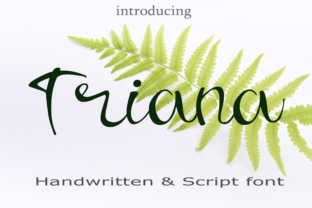
When I first started my small business, I quickly realized that the details matter just as much as the product itself. Customers don't just buy what you sell; they buy into the story and the feeling your brand evokes. One of the most powerful tools in shaping that feeling is typography. After trying dozens of options, I found Triana, a versatile handwritten font that transformed how my brand communicates with its audience. It isn't just another script amp or decorative typeface; it is a practical design asset that brings warmth and personality to every touchpoint.
The Personality Behind Triana
Triana stands out because it strikes a perfect balance between casual charm and professional polish. Unlike overly ornate scripts that can look cluttered on a screen, or stiff serif fonts that feel too corporate, Triana mimics the natural flow of a confident hand. It feels human. In an era where customers crave authenticity, using a handwritten font like this signals that there is a real person behind the logo. The strokes are fluid yet distinct, creating a mood that is approachable, creative, and trustworthy.
This specific typeface works exceptionally well for businesses that want to appear boutique and curated. Whether you run a cozy café, a handmade candle shop, or a lifestyle coaching practice, the visual appeal of Triana immediately sets a tone of care and attention to detail. It elevates simple text into something memorable without shouting for attention.
Bringing Consistency to Your Brand Identity
One of the biggest challenges for entrepreneurs is maintaining consistency across different platforms. You might have a beautiful logo, but if your social media posts use a different vibe than your packaging, your brand identity becomes fragmented. Triana solves this by serving as a unifying element. When used strategically, it ensures that your business looks cohesive whether a customer sees your Instagram feed, holds your product label, or visits your website.
For example, imagine a bakery owner using Triana for their daily specials board, their thank-you cards tucked inside orders, and the header on their menu. That repetition builds recognition. Customers begin to associate that specific handwriting style with the quality of your baked goods. This consistency is crucial for building trust. When your visual language is uniform, it suggests reliability and professionalism, making your small business feel more established and secure.
Real-World Applications for Small Businesses
The true value of a premium font lies in its versatility. Triana is not limited to just one application; it thrives in various real-world scenarios essential for modern entrepreneurs.
- Logo Design: For boutique owners and service providers, a logo needs to be distinctive. Using Triana as the primary display font for a logo creates an immediate sense of uniqueness. It works beautifully for names that need a personal touch, such as "Sarah's Soaps" or "The Daily Grind."
- Packaging and Labels: Product labels are often the first physical interaction a customer has with your brand. On a jar of artisan jam or a box of skincare products, Triana adds a layer of craftsmanship. It makes the product feel handmade and special rather than mass-produced.
- Social Media Graphics: In the crowded space of Instagram and Pinterest, your visuals need to stop the scroll. Using Triana for quotes, sale announcements, or product highlights on your graphics helps them stand out against standard sans serif headlines.
- Web Design: While readability is key on websites, you still need personality. Triana works perfectly as a headline font for blog titles or welcome banners, adding character without overwhelming the reader.
- Print Materials: From business cards to flyers and menus, this script font ensures your printed materials feel warm and inviting. A café menu written in Triana feels more welcoming than one typed in a generic font.
Strategic Use: Headlines vs. Body Text
While Triana is stunning, knowing when to use it is just as important as the font itself. As a display font, it shines in headlines, logos, and short phrases. Its expressive nature makes it ideal for grabbing attention. However, for long paragraphs of body text, especially on mobile screens or small packaging labels, readability can become an issue. Handwritten styles can sometimes strain the eyes when read in large blocks.
To maintain clarity, I recommend using Triana for emphasis—such as the main title of a flyer or the name of a product line—and pairing it with a clean, highly readable font for the descriptive text. This approach ensures your message is both beautiful and easy to digest. For instance, on a product label, you might use Triana for the product name but switch to a simple sans serif font for the ingredients list and net weight.
Mastering Font Pairing
Creating a professional look often comes down to smart font pairing. Triana pairs effortlessly with neutral typefaces that let its personality shine. A classic combination is to pair this script font with a geometric sans serif font. The clean lines of the sans serif provide a modern backdrop that contrasts beautifully with the organic curves of Triana.
If you prefer a more traditional or elegant aesthetic, consider pairing it with a refined serif font. This combination works particularly well for luxury brands, wedding planners, or high-end boutiques. The goal is to create harmony; the secondary font should support Triana without competing with it. By keeping the supporting typeface simple, you allow the handwritten elements to serve as the focal point of your design assets.
Testing Before Committing
Before you commit to using Triana across your entire brand, it is wise to test it in different contexts. Download the font and create mockups of your actual materials. Print out a sample label to see how the ink flows and how the letters look at a small scale. View your website banner on a smartphone to ensure the text remains legible on smaller screens.
Also, consider your target audience. If you are selling to a very formal corporate sector, a handwritten font might feel too casual. But for lifestyle brands, wellness coaches, and creative sellers, the authentic vibe of Triana usually resonates deeply. Testing helps you confirm that the font aligns with your specific market expectations.
Understanding Licensing for Commercial Use
A critical step for any entrepreneur is understanding the legalities of font usage. Just because you download a font does not always mean you can use it for commercial purposes. Always check the licensing terms before applying Triana to products you plan to sell, such as t-shirts, mugs, or packaged goods. Many fonts require a specific commercial license for merchandise, templates, or client work.
Using a font without the proper license can lead to legal issues and damage your reputation. Ensure you have the right to use Triana for your specific business needs, whether that is digital ads, print marketing, or physical product labeling. Investing in the correct license protects your business and gives you peace of mind as you grow your brand.
In the competitive world of small business, every design choice counts. Triana offers a unique blend of style and functionality that helps you stand out while maintaining a professional image. By integrating this versatile script font into your branding strategy, you create a visual identity that feels genuine, consistent, and deeply connected to your customers.